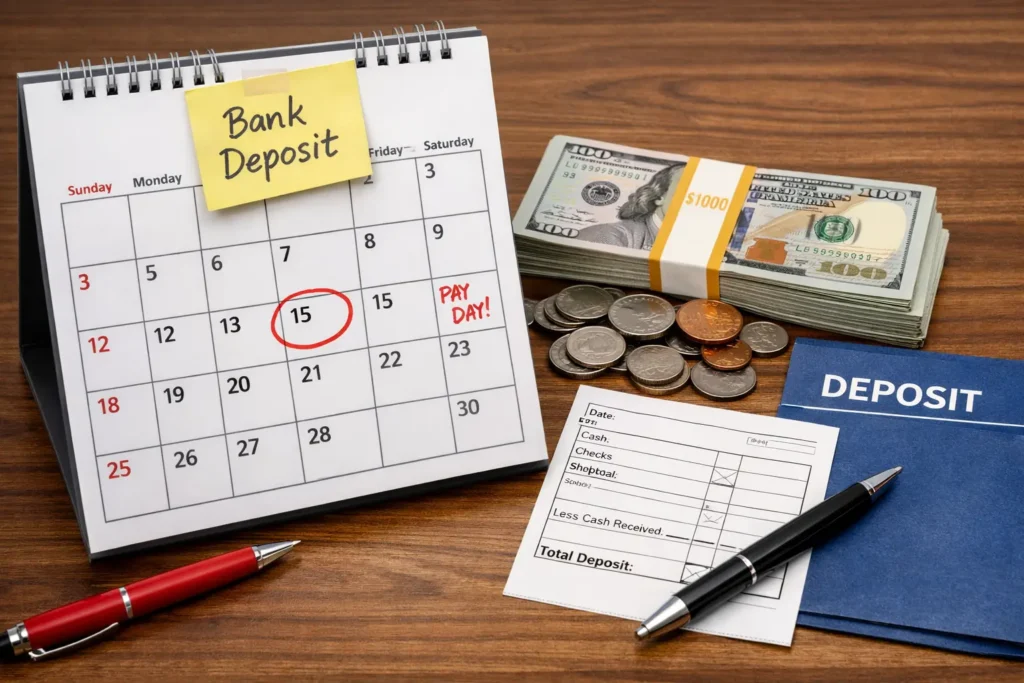
The start of tax season often brings questions and worry about when refunds will arrive. This article explains the 2026 IRS income tax refund schedule in practical terms, outlines typical timelines, and offers steps you can take to check your refund and reduce delays.
2026 IRS Income Tax Refund Schedule: What to Expect
The IRS traditionally opens the filing season in late January. For 2026, expect the IRS to announce an official acceptance date in January on IRS.gov. The actual date can shift by a few days or weeks depending on system readiness and legislative changes.

Even after the IRS begins accepting returns, the time it takes to receive a refund varies based on how you file and whether the return needs review.
Key points about the 2026 filing season
- The IRS will post the official e-file acceptance start date at IRS.gov/filing.
- E-filed returns with direct deposit are processed fastest when there are no errors or identity flags.
- Paper returns and refund checks take longer to process than e-filed returns with direct deposit.
Typical Refund Timeline After Filing
While every case is different, here is a practical timeline you can use as a guideline for the 2026 IRS income tax refund schedule.
- Within 24–48 hours: E-file confirmation from your tax software or preparer that the IRS accepted your return.
- About 21 days: Many refunds are issued within 21 days of IRS acceptance if you chose direct deposit and the return had no issues.
- Several weeks to months: Returns that require identity verification, contain errors, claim certain credits, or are subject to additional review can take considerably longer.
Remember: these are estimates. Some refunds are faster and some take longer depending on the specifics of your return and IRS workload.
Common reasons refunds are delayed
- Identity verification requests from the IRS
- Errors or missing information on the return
- Claims for the Earned Income Tax Credit (EITC) or Additional Child Tax Credit (ACTC)
- Paper filing instead of e-file and direct deposit
- Backlogs at IRS processing centers during peak season
How to Check Your 2026 Refund Status
Use the IRS Where’s My Refund? tool for the most up-to-date status. The tool shows three stages: Return Received, Refund Approved, and Refund Sent.
To use it, you will need your Social Security number or ITIN, filing status, and the exact refund amount shown on your return. The tool updates once daily.
Alternative ways to check
- IRS2Go mobile app (official IRS app)
- Call the IRS phone line, though wait times can be long during tax season
- Contact your tax preparer or software provider if you used one
Practical Steps to Speed Your Refund
While there is no guaranteed way to force a faster refund, these steps reduce the chance of delays and help avoid common problems.
- File electronically and choose direct deposit. This is the fastest method in most cases.
- Double-check all Social Security numbers, names, and bank account information before submitting.
- Attach required documentation for credits and deductions or be prepared to provide it if the IRS requests it.
- Respond promptly to any IRS notices asking for more information.
What to Do If Your Refund Is Late

If 21 days have passed since your e-file acceptance and you still have no refund and no status update, take these steps:
- Check Where’s My Refund? and IRS2Go for status updates.
- Review any mail from the IRS; sometimes the agency sends letters explaining issues.
- If you filed electronically with a preparer, contact them to confirm they received acceptance and there are no outstanding issues.
- Call the IRS refund hotline if the tool or mail offer no explanation; be prepared for long hold times during peak season.
Most refunds are issued within about 21 days when returns are e-filed and refunds are set for direct deposit. However, the IRS must hold some refunds longer if you claim certain credits or if identity verification is required.
Small Real-World Case Study
Case: James, a single taxpayer, e-filed his 2025 return on February 3, 2026, and chose direct deposit. His return was accepted by the IRS on February 4. Because his return had no errors and did not claim EITC or ACTC, his refund was deposited on February 12 — eight days after acceptance.
By contrast, Elena filed on March 1 and claimed the EITC. She had to provide additional identity documents after receiving an IRS letter. Her refund took 10 additional weeks to arrive from the date of acceptance because of the verification process.
Final Tips for 2026 Filing
- Watch IRS.gov for the official 2026 filing season start date and any special guidance.
- File early but only after you have all necessary documents to avoid amendments and delays.
- Keep copies of your filed return and any IRS correspondence in case you need to respond quickly.
Understanding the typical 2026 IRS income tax refund schedule helps you set realistic expectations and take steps to reduce delays. Check the official IRS resources for the authoritative filing date and follow best practices when preparing and submitting your return.